Thinking about selling your Nipomo home and wondering when to list for the best results? Timing can feel tricky when you want both a strong price and a smooth move. You deserve clear, local guidance that turns the calendar into a strategy. In this guide, you’ll learn the best listing windows in Nipomo, what can matter more than the month, how property type affects timing, and a simple prep timeline tailored to the Central Coast. Let’s dive in.
Nipomo selling seasons at a glance
Most years, spring is your best bet. March through June usually brings the most buyers, fresh curb appeal, and faster activity. Early fall, especially September and October, can be a strong second season as buyers regroup after summer. Summer can still perform well in Nipomo’s mild climate, though you may compete with more inventory in some years.
Late fall and winter often mean fewer showings and longer days on market. That slower period can still work if you value speed over price or if local inventory is especially tight. Families often prefer closings in late summer to avoid midyear school moves, which supports spring listings and early summer closings.
What can outweigh the calendar
Market conditions can trump seasonality. Inventory levels and mortgage rates heavily influence demand. When inventory is low or rates improve, any month can be a seller’s market. You can track broader trends through the California Association of REALTORS market data and national snapshots from NAR Research and Statistics.
Pricing, presentation, and marketing also matter more than the month. A well-priced, well-staged home with professional marketing can outshine seasonal headwinds. Local events, unusual weather, and regional employer shifts can also change buyer behavior quickly.
Timing by property type
Single-family homes
Traditional single-family homes on standard lots follow the classic pattern. Spring and early fall are typically strongest. If competition is light, a well-prepared home can still shine in summer or winter with the right pricing.
Rural and ranchette properties
Homes with wells, septic systems, acreage, or agricultural features draw a more specific buyer pool. These buyers are often serious and value detailed utility documentation. Consider listing when you can showcase full inspections and permits up front, and be ready for longer lead times to complete septic, well, and termite reports.
Newer subdivisions with special assessments
If your home has Mello-Roos or C.F.D. assessments, buyers will compare payments and incentives against new builds. Align your timing with rate improvements and highlight total cost of ownership. Have tax and community fee details available before you go live.
Plan your listing timeline
Use this simple 90–30–7–1 plan to reduce surprises and keep momentum.
90–60 days out
- Meet with a local agent for a comparative market analysis and pricing strategy.
- Order required reports, confirm tax assessments and any community fees.
- Schedule major repairs or upgrades, including septic or well work if applicable.
- Start decluttering and sketch a staging plan.
30–14 days out
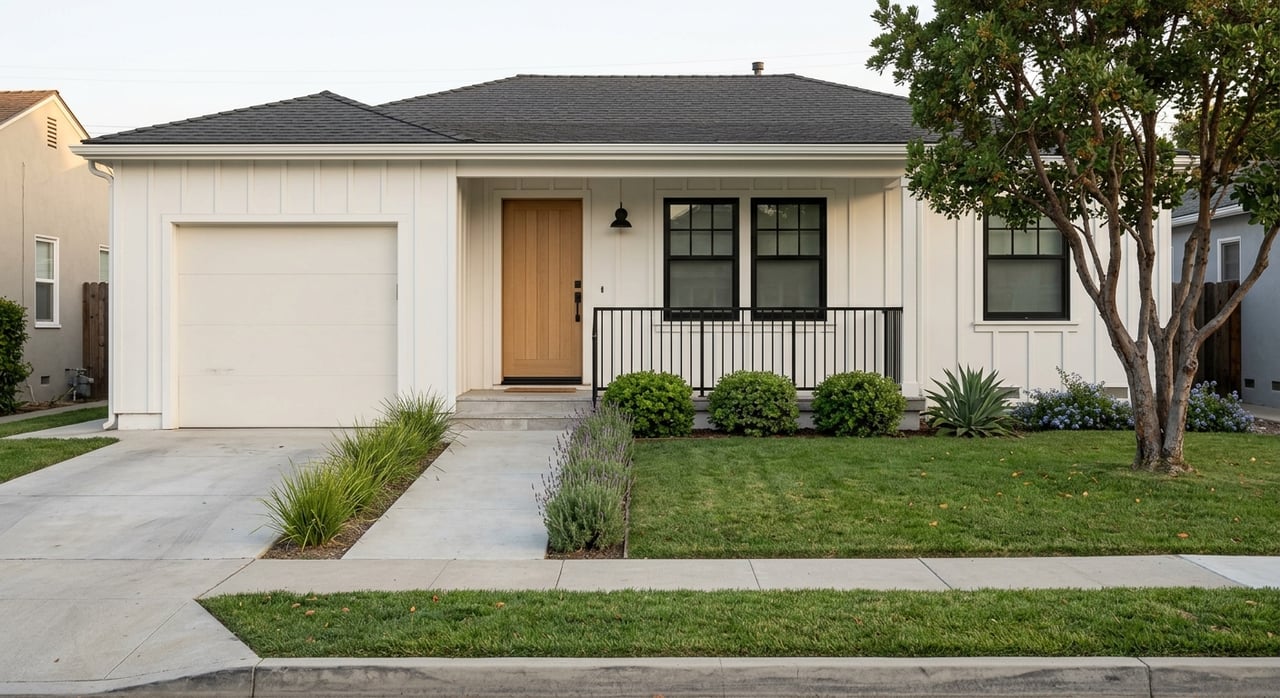
- Finish repairs and curb appeal updates. Focus on landscaping and paint touchups.
- Consider pre-listing inspections for septic, roof, and termite to reduce contingencies.
- Gather documents: permits, HOA info, utility bills, and Natural Hazard Disclosure items.
7 days out
- Schedule professional photography, video, and floor plans.
- Deep clean, stage rooms, and finalize marketing copy that highlights outdoor living and access to beaches and wine country.
1 day to list day
- Upload to MLS with full disclosures, quality visuals, and clear showing instructions.
- Set early open houses for the first weekend and consider twilight photos for added appeal.
Pricing and days on market
Price to your moment, not just your month. In spring, you can often price slightly more aggressively to invite competition. In slower months, a realistic price reduces time on market and protects your leverage. Reassess after the first 7 to 14 days if activity is quiet.
Prepare for Central Coast disclosures
California requires a Natural Hazard Disclosure that covers mapped risks like fire, flood, and seismic areas. Expect questions and be ready with documentation.
- Wildfire awareness: Check the CAL FIRE fire hazard severity maps and maintain defensible space where required. Upfront mitigation details can ease buyer and lender concerns.
- Flood zones: Verify status through the FEMA Flood Map Service Center. Share maps with your agent to plan insurance and lending conversations.
- Septic and well: Many rural properties need septic inspections, pumping records, and well yield and quality tests. Order early to avoid delays.
- Permits and records: Confirm improvements and permit history with the County of San Luis Obispo Planning and Building department.
- Disclosures: Review state requirements in the California Department of Real Estate guidance on disclosures to understand what you must provide.
For families who track school boundaries, share links to neutral resources. The Lucia Mar Unified School District boundary information page is a common reference. Keep language neutral and factual.
Make seasonality work for you
You can time your listing launch and open houses around higher local activity. Align your first weekend on market with community events that increase area traffic. The Nipomo Chamber of Commerce calendar can help you plan visibility without overstating impact.
Think about your buyer profile. Commuters along Highway 101 value access north and south, while outdoor enthusiasts respond to marketing that highlights beaches, wine tasting, and trails. The right message paired with the right week helps your home stand out.
When winter works
Winter can still deliver if you focus on strategy. Inventory is often lower, which reduces competition. Motivated buyers shop year-round, especially relocations and downsizers with flexible calendars. A clean, well-priced home with strong digital marketing and complete disclosures can capture those buyers even in January or February.
Work with a local strategist
Your timing, pricing, and preparation deserve hands-on guidance from a local expert who markets your home like a premium product. Concierge Realty delivers professional photography, high-resolution video tours, 3D walkthroughs, and targeted syndication so your home reaches the right buyers at the right moment. If you are weighing spring versus fall, or want to sell quickly without leaving money on the table, let’s map your best window together.
Start Your Concierge Consultation with Jan Sanderlin.
FAQs
What is the best month to sell a home in Nipomo?
- Spring months, especially March through June, are typically strongest, with early fall as a solid second option depending on inventory and rates.
Is selling during winter a mistake in Nipomo?
- Not necessarily; winter often brings fewer buyers but also less competition, so a well-priced and well-marketed home can still sell efficiently.
How early should I start preparing to list my Nipomo home?
- Plan 4 to 12 weeks for repairs, staging, inspections, and permits, with longer lead times for septic or well work on rural properties.
Should I order inspections before listing in Nipomo?
- Pre-listing inspections, including septic, roof, and termite, can reduce contingencies and speed up the closing process, especially for rural or ranchette homes.
What disclosures do I need as a seller in San Luis Obispo County?
- Expect to provide California-required disclosures, a Natural Hazard Disclosure, and property-specific items like septic or well reports; verify details with your agent.
How do interest rates and inventory affect the best time to sell?
- Low inventory or improving mortgage rates can create a seller-friendly market in any month, which is why pricing and presentation matter as much as timing.