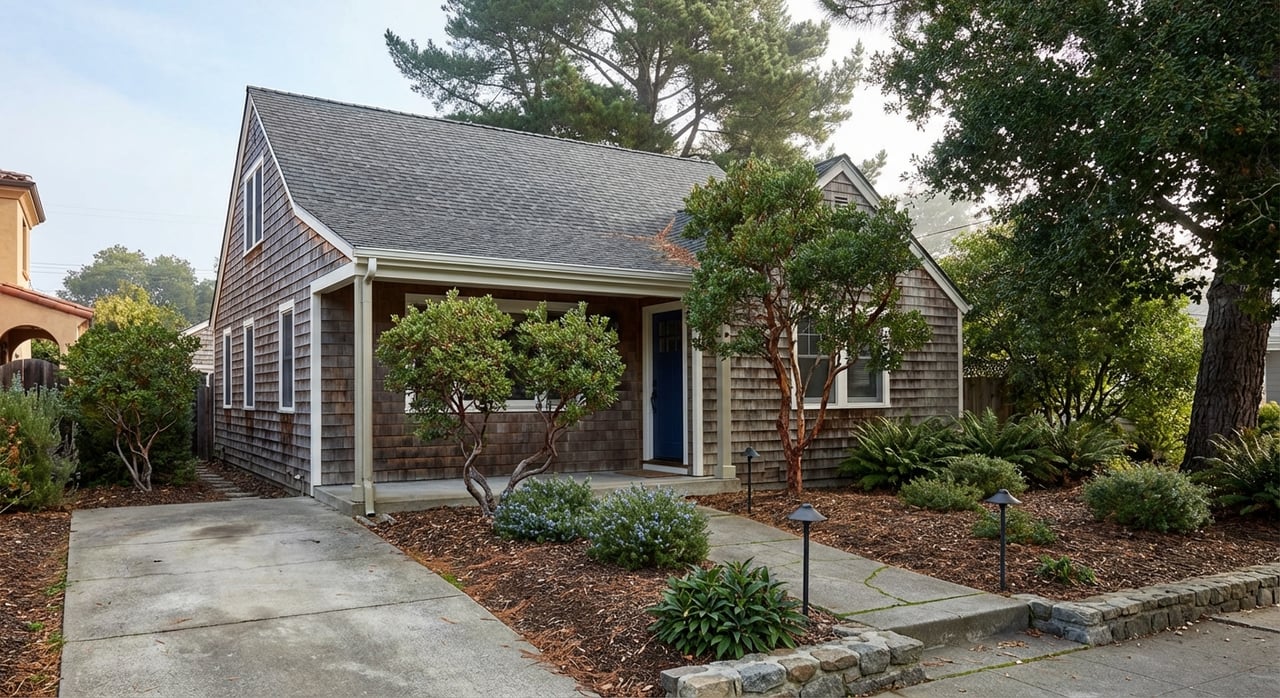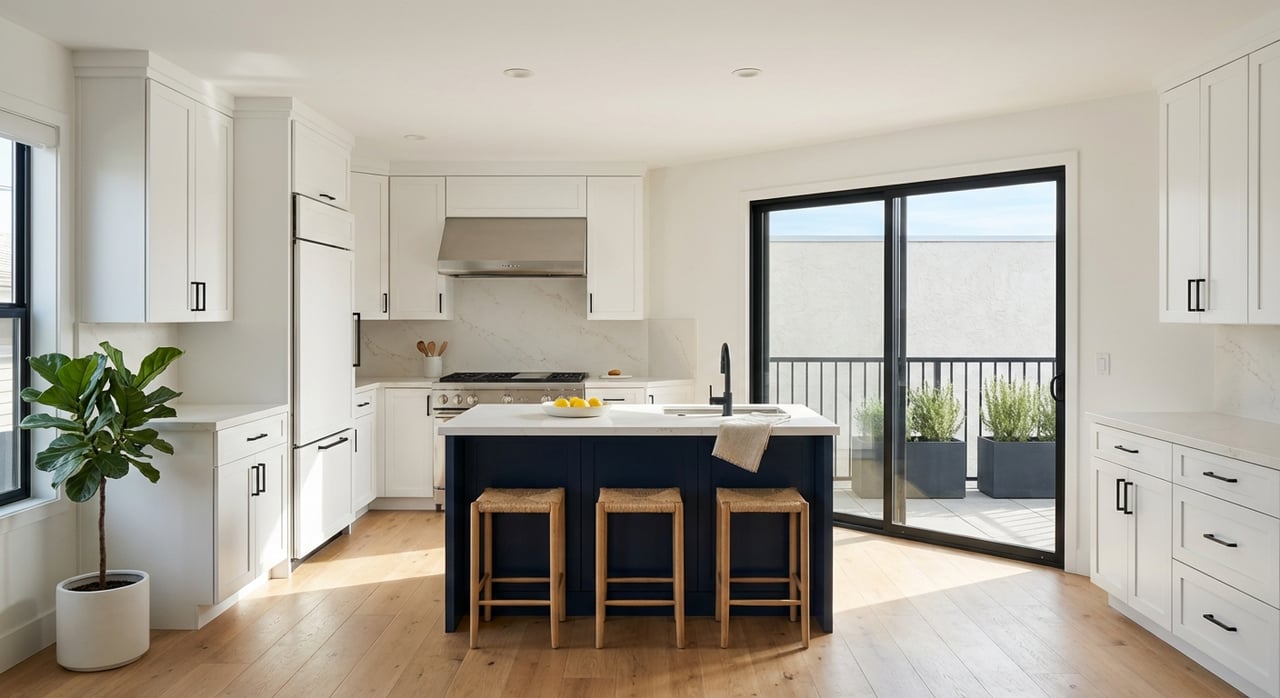
Trying to choose between a condo and a house in San Luis Obispo? You are not alone. With tight inventory and strong demand near Cal Poly and downtown, the right choice depends on how you want to live and what you want to spend over time. In this guide, you will compare upfront costs, monthly expenses, lifestyle tradeoffs, and key rules that affect your options inside SLO city limits. Let’s dive in.
San Luis Obispo snapshot
San Luis Obispo is a compact city with about 49,700 residents as of mid‑2024, according to the U.S. Census QuickFacts. You will find neighborhoods that feel close to downtown, campus, and outdoor recreation. Proximity shapes demand and pricing, so it pays to get specific on location early. Census QuickFacts
Cal Poly’s student population and downtown tourism create steady rental pressure and low vacancy near campus and the urban core. This dynamic can influence both pricing and the speed of sales in walkable areas. Recent university housing initiatives also affect nearby rental demand, so it is smart to watch these local trends. Cal Poly housing coverage
Citywide medians for all home types have been hovering in the low seven figures in recent snapshots. As with any fast‑moving market, prices vary by neighborhood, building, and month. If you want a pinpoint number for a specific area, ask for current MLS data with the date on it.
What it costs each month
Here is how typical monthly costs break down for condos versus single‑family homes in SLO. Your exact numbers will depend on purchase price, interest rate, location, and building.
- Property taxes: California’s base property tax equals 1 percent of assessed value plus voter‑approved local assessments. In practical terms, many buyers use a rough 1.0 to 1.2 percent estimate, then confirm the exact Tax Rate Area for the address. How SLO County property tax works
- HOA dues: Many condos and some planned communities have HOA dues. In SLO, dues often run from about $200 to $500 per month, lower in some older developments and higher for newer or amenity‑rich buildings downtown. Always verify what dues include, such as exterior maintenance, common‑area insurance, water, trash, landscaping, and reserves.
- Home insurance: Condo owners typically carry an HO‑6 policy for interior improvements, personal property, liability, and loss‑assessment coverage. The association carries a master policy for the building exterior and shared areas. Single‑family owners carry broader dwelling coverage like HO‑3 or HO‑5. If you consider a condo, ask your insurance agent to review the HOA’s master policy and deductible. HO‑6 basics
- Maintenance: With a house, you should budget annual maintenance and capital replacements. A common rule of thumb is 1 to 3 percent of the home’s value per year, adjusting for age and condition. Condos often reduce your direct exterior workload, but you still pay for upkeep through HOA dues and reserves. Home maintenance budgeting
Maintenance and reserves
Houses give you full control over repairs and upgrades. You set the timing and the standard, which many owners value. The tradeoff is responsibility, especially on older homes where roofs, foundations, and systems may need near‑term attention. A full home and pest inspection can help you forecast costs.
Condos concentrate major exterior work at the association level. That can feel hands‑off day to day, but you must understand the HOA’s financial health. In California, many condo associations must comply with Civil Code 5551, which requires periodic inspections of exterior elevated elements like balconies and walkways. If inspections uncover issues, associations may need significant repairs, which can lead to special assessments. You should always request the latest reserve study, inspection reports, and meeting minutes. Civil Code 5551 overview
Rules that shape use
The rules that govern how you use the property can be just as important as price. Here are two local items that matter.
- Short‑term rentals: Inside SLO city limits, owner‑occupied “homestay” rentals are permitted with a city permit, subject to limits and tax collection. Non‑owner‑occupied vacation rentals are prohibited in most residential zones. If you plan to rely on Airbnb‑style income, read the rules first. City homestay regulations
- ADUs on houses: California law and local programs make accessory dwelling units a practical way to add space or rental income to many single‑family lots. SLO has published checklists and even promoted all‑electric ADU incentives. Condos generally do not allow ADUs. If flexibility is a priority, a house with ADU potential can be a strong long‑term play. SLO ADU information
Also review any condo CC&Rs for pet policies, rental minimums, parking rules, and architectural restrictions. These are common in managed communities and can shape everyday life.
Financing and resale factors
Condos come with extra financing layers. Many lenders and secondary market buyers require that condo projects meet project‑level standards on items like reserve funding, owner‑occupancy, insurance, and litigation. If a project is ineligible for conventional or FHA financing, that can narrow the buyer pool and affect both time to close and resale value. Always ask your lender to confirm project eligibility early. Fannie Mae condo project standards
Single‑family homes usually avoid project‑level reviews, which can make financing simpler. That broader buyer pool often supports steady resale demand. The tradeoff is the higher initial price point in many SLO neighborhoods and higher personal maintenance obligations over time.
Lifestyle tradeoffs in SLO
San Luis Obispo’s best choice comes down to how you want to live.
- Walkability and access: Condos near downtown put you close to restaurants, shops, and cultural events. Expect more activity and potential evening noise on busy streets. Single‑family homes often trade walkability for more space and quieter streets.
- Space and storage: A house typically offers a yard, private garage, and more storage. Many condos have smaller private outdoor areas and shared parking, which you may find easier to maintain.
- Privacy and control: With a house, you set the rules on landscaping, exterior finishes, and outdoor living, within city code. Condos share walls and follow community guidelines, which can reduce hassle but also limit choices.
- Flexibility: Houses can support ADUs and long‑term rentals, subject to local rules and lot constraints. Condos may cap rental terms and do not allow ADUs.
Who each option fits
You may lean toward a condo if you want:
- Lower day‑to‑day maintenance and on‑site amenities.
- A location near downtown or campus.
- A typically lower purchase price than many detached homes in the same area.
- Predictable exterior upkeep managed by an HOA, with the caveat of special assessment risk.
You may lean toward a single‑family home if you want:
- More privacy, storage, and outdoor space.
- Flexibility for an ADU or long‑term rental, subject to city rules.
- Fewer project‑level financing constraints.
- Full control over exterior improvements and timing.
Your decision checklist
Work through these steps before you write an offer.
- Budget the full monthly: mortgage, property taxes, insurance, HOA dues if any, and maintenance. For houses, use 1 to 3 percent of value per year as a starting yardstick, then refine after inspections. Maintenance rule of thumb
- Verify the tax picture: ask for the property’s Tax Rate Area and estimate the 1 percent base plus voter‑approved assessments to set expectations. SLO County property tax basics
- If buying a condo, request from the seller or HOA: CC&Rs and bylaws, current operating budget, latest reserve study and balance, meeting minutes for the past year, insurance certificates, any special assessment notices, pending litigation disclosures, and any Civil Code 5551 inspection reports. Civil Code 5551 summary
- Confirm financing early: ask your lender to check whether the condo project is eligible for conventional or FHA financing, or whether a single‑unit approval is possible. Condo project review guidance
- Check your rental plan: if you want short‑term income, read the city’s homestay permit rules. If the property is outside city limits, county rules differ. Homestay rules in SLO
- Evaluate lifestyle fit: test drive the neighborhood at different times of day, review parking, storage, noise levels, pet needs, and commute routes.
- Get inspections: for houses, order full home, pest, and roof evaluations. For condos, inspect the unit and have a careful read of association records and inspection reports.
How to decide with confidence
If you prefer low maintenance and walkable living, a condo can be a smart, centrally located option. Just be thorough with HOA health, reserves, and project eligibility. If you value privacy, yard space, and ADU potential, a single‑family home delivers long‑term flexibility. Either way, your best next step is a clear budget, current local comps, and early lender input.
You do not have to sort this out alone. For a calm, experienced guide who knows the nuances of SLO and the Central Coast, reach out to Jan Sanderlin to talk through your plans and next steps.
FAQs
What are typical condo HOA dues in SLO?
- Many associations fall in the roughly $200 to $500 per month range, with some lower in older developments and higher in newer or amenity‑rich buildings downtown. Always verify what is included and the reserve balance.
How do SLO short‑term rental rules affect my plans?
- Inside city limits, owner‑occupied homestays are allowed with a permit, while non‑owner‑occupied vacation rentals are prohibited in most residential zones. Review the city’s homestay regulations before assuming Airbnb income. Homestay regulations
What is Civil Code 5551 and why does it matter for condos?
- It requires periodic inspections of certain exterior elevated elements like balconies. Findings can lead to repair programs and special assessments, so request inspection reports, reserve studies, and meeting minutes. Civil Code 5551 details
How should I estimate property taxes in San Luis Obispo?
- Start with about 1 to 1.2 percent of the assessed value for the base tax plus local assessments, then confirm the exact Tax Rate Area for the property. SLO County tax overview
Can I add an ADU if I buy a house in SLO?
- Many single‑family lots can support ADUs subject to state and local rules. Review SLO’s materials and consider all‑electric incentives when planning. Condos generally do not allow ADUs. SLO ADU info