Selling your Nipomo home can feel like a long list of decisions, details, and deadlines. The good news is that you do not need a perfect house to make a strong impression. You need a smart plan that helps your home show well, supports clean disclosures, and reduces surprises once buyers start asking questions. If you prepare with intention, you can launch with more clarity and confidence. Let’s dive in.
Why prep matters in Nipomo
Nipomo’s market conditions still point to the value of a polished debut. Public market data in March 2026 showed 97 homes for sale, a median listing price of $1.10M, a median of 45 days on market, and a 100% sale-to-list ratio. Realtor.com also identified Nipomo as a seller’s market.
Even in a seller’s market, buyers notice condition, presentation, and paperwork. A home that is cleaned, repaired, and ready for photos often creates a stronger first impression than one that looks unfinished. That matters because your launch is not just about getting seen. It is about helping buyers feel comfortable enough to schedule a showing and make an offer.
Start with a pre-list walkthrough
Before you think about photos or marketing, walk through your home with fresh eyes. Focus on the items a buyer, agent, or inspector is most likely to notice right away. In California, brokers are required to conduct a reasonably competent and diligent visual inspection and disclose material facts that affect value or desirability.
That means obvious issues are worth addressing early when possible. Think about leaks, damaged trim, stained ceilings, worn flooring, broken fixtures, safety concerns, strong odors, or deferred maintenance. If something stands out to you now, it will likely stand out to buyers later.
What to look for first
Start with the basics that shape a buyer’s first impression:
- Dripping faucets or visible plumbing leaks
- Cracked windows, torn screens, or sticky doors
- Burned-out light bulbs or dated light fixtures
- Water stains, peeling paint, or damaged drywall
- Flooring wear, carpet stains, or chipped tile
- Pet odors, smoke odors, or musty areas
- Loose handrails, gates, or other safety issues
- Overgrown landscaping or cluttered entry areas
You do not need to renovate every room. In many cases, cleanliness, repair, and consistency do more for buyer confidence than expensive upgrades.
Gather documents before you list
One of the smartest things you can do is assemble your paperwork before your home goes live. In California, if required disclosures or material amendments are delivered after an offer is signed, a buyer may have a statutory right to terminate. That makes early preparation more than a convenience. It can help protect your timeline.
If you have completed room additions, structural changes, or contractor-performed repairs, California requires sellers to provide contractor names and copies of permits when available. If those records are held by another source, you can direct the buyer there. Either way, gathering them early helps avoid last-minute stress.
Helpful records to collect
Try to locate these items before your listing launch:
- Permits for additions, remodels, or major repairs
- Contractor names and invoices, when available
- Roof, HVAC, plumbing, or electrical service records
- Appliance manuals or transferable warranty details
- Septic maintenance records, if applicable
- Well-related records, if applicable
- Fire readiness or defensible-space documentation, if applicable
For many Nipomo sellers, this step matters more than it might in a more uniform neighborhood setting. The Nipomo Community Plan notes that some areas are served by public sewer and water, while others rely on private wells, septic systems, or private community water systems.
Pay special attention to wells, septic, and fire readiness
Nipomo is not one-size-fits-all, and your prep should reflect that. If your property is outside the more urbanized parts of the community, you may need to prepare extra records and answer more property-specific questions. Buyers often feel more confident when these details are clear from the start.
If your home has a septic system, San Luis Obispo County encourages ongoing maintenance and advises inspections every 3 to 5 years. The county also provides forms and resources for septic verification and inspection. If your property uses a private well, the county maintains permit and data resources for well systems.
Local systems checklist
If your property has private utilities or land-related considerations, prepare for these items:
- Recent septic service or inspection information
- Well permit or system information, if available
- Notes on private community water service, if applicable
- Clarification of utility setup for the property
Fire readiness is also part of normal property ownership in this area. San Luis Obispo County has posted adoption notices for Local Responsibility Area Fire Hazard Severity Zones, and state guidance says owners in State Responsibility Areas or Very High Fire Hazard Severity Zones are responsible for defensible-space compliance. If your parcel falls in one of those areas, it is wise to treat compliance documentation as a pre-list item, not a closing-week scramble.
Check water-conserving fixtures
This is a small item that can carry real weight during the sale process. California single-family homes must have water-conserving plumbing fixtures, and sellers must disclose any fixtures that do not comply.
Before listing, check your toilets, showerheads, and faucet aerators. This kind of quick review can support your disclosures and help you avoid an issue that feels minor but can still create questions during escrow.
Declutter for space and flexibility
Once the condition and paperwork pieces are underway, shift to presentation. Buyers respond well to homes that feel clean, open, and easy to picture themselves in. That does not mean your home should feel empty or cold. It means it should feel calm.
NAR staging research found that 81% of buyer’s agents said staging helps clients visualize life in a home. Separate research also showed a growing share of multigenerational buyers, which supports flexible, low-clutter spaces over highly personalized rooms.
Focus your decluttering here
Start with the rooms that tend to matter most in photos and showings:
- Living room
- Kitchen
- Primary bedroom
- Dining area
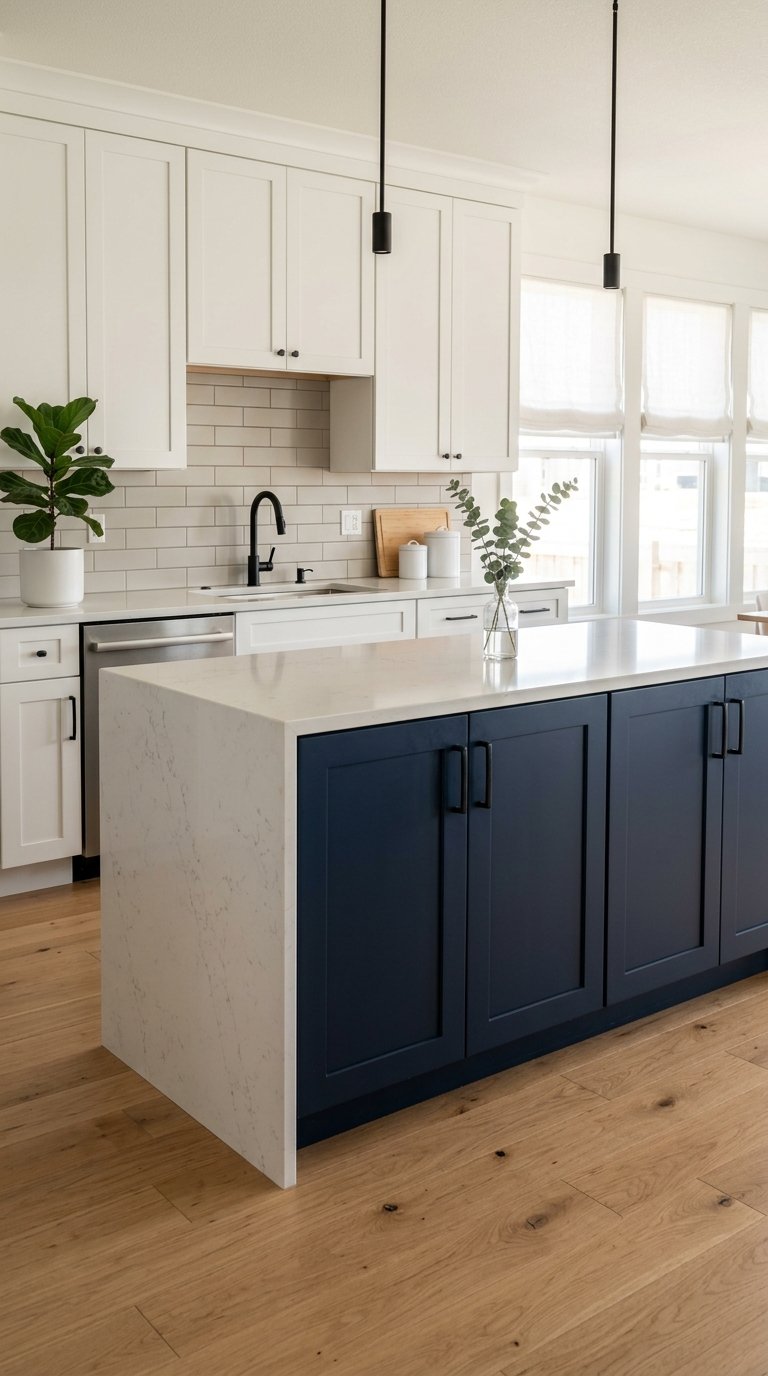
Clear off counters, reduce oversized furniture where possible, and remove highly personal items that distract from the space. Aim for enough styling to feel welcoming, but not so much that the room feels crowded.
Make the home feel move-in ready
You do not need a full remodel to make your home feel ready for the market. Staging guidance consistently points to practical updates like cleaning, carpet cleaning, painting, and landscaping as strong pre-list improvements. Buyers often prefer homes that feel cared for and easy to settle into without immediate extra expense.
That is especially important in your early marketing. Staged and polished photos can influence whether a buyer decides to visit in person. Presentation work belongs before your first public appearance, not after.
Simple prep that often pays off
Consider tackling these high-impact items:
- Deep clean the entire home
- Wash windows and brighten lighting
- Touch up interior paint where needed
- Clean or replace worn carpet if appropriate
- Refresh mulch, trim plants, and tidy paths
- Remove extra items from garages and storage areas
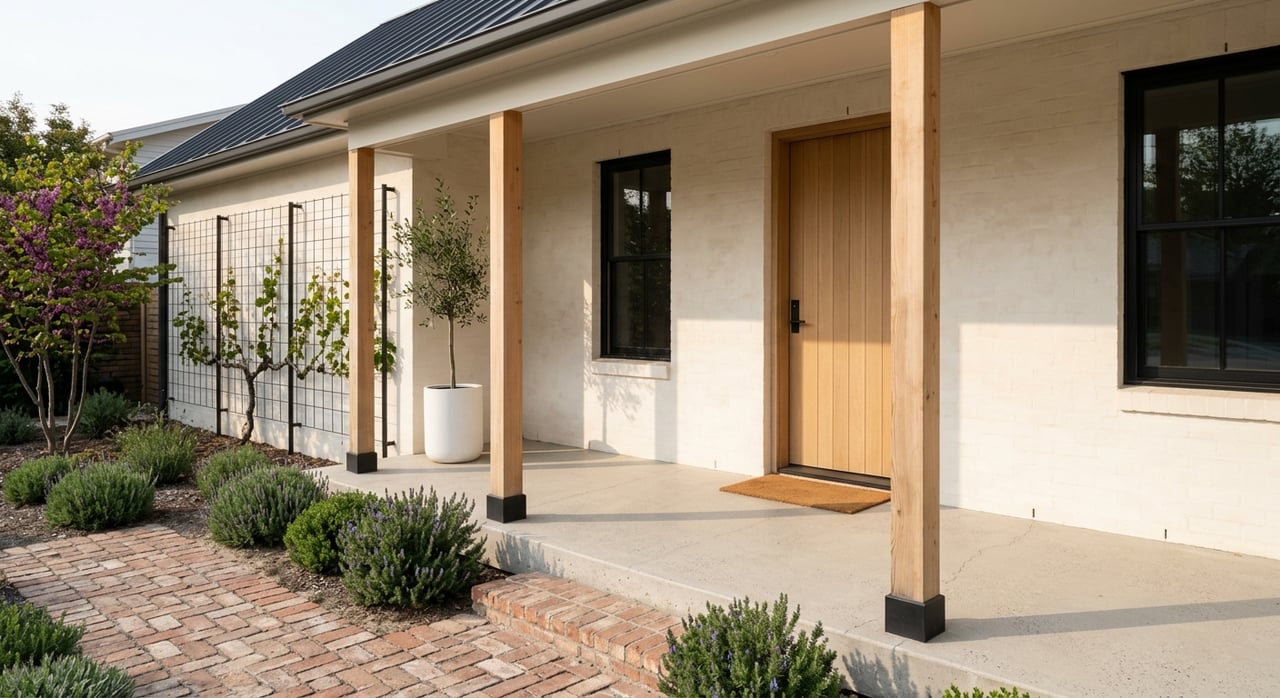
- Create a clean, welcoming front entry
Nipomo’s planning language emphasizes suburban character, landscaping, open space, and varied setbacks. In practical terms, that means tidy outdoor areas and restrained curb appeal often fit the local setting well.
Plan your launch in the right order
A confident sale usually starts with the right sequence. If you list first and scramble later, you risk weak photos, incomplete disclosures, and avoidable stress. If you prepare first, you give your home a better chance to hit the market strong.
In Nipomo, the market pace is measured in weeks, not just a few days. That gives you a good reason to complete the prep work before listing instead of hoping to fix things after buyers begin touring the home.
A smart pre-list timeline
Here is a simple order of operations:
- Walk through the home and identify visible issues
- Decide which repairs and touch-ups to complete
- Gather permits, service records, and disclosure materials
- Check local items like septic, well, or fire documentation
- Declutter and deep clean
- Stage key rooms for photos and showings
- Schedule professional photography and marketing materials
- Launch once the home is fully ready
This is where a concierge-style process can make a real difference. Sellers often want help with pricing, marketing, finding a qualified buyer, and staying on schedule. A hands-on listing approach can help coordinate vendors, prep work, photography, paperwork, and transaction details so you can move forward with less friction.
Progress beats perfection
Many sellers delay because they think every project has to be finished before the home can go on the market. In most cases, that is not true. What matters most is making smart improvements that buyers will notice and appreciate.
A confident sale usually comes from the basics done well: visible repairs, strong cleaning, thoughtful decluttering, solid records, and a polished launch. When those pieces are in place, your home has a much better chance to attract attention for the right reasons.
If you are getting ready to sell in Nipomo, working with a broker who knows the local property mix, disclosure expectations, and launch process can make the path much smoother. When you are ready for a calm, well-managed plan, Jan Sanderlin can help you prepare, market, and sell with confidence.
FAQs
What should I fix before selling a home in Nipomo?
- Focus first on issues buyers and inspectors are likely to notice, such as leaks, stains, damaged surfaces, safety concerns, odors, lighting issues, and deferred maintenance.
What documents should I gather before listing a Nipomo home?
- Start with permits, contractor information, repair records, appliance details, and any septic, well, or fire-readiness documentation that applies to your property.
Do Nipomo sellers need septic or well records?
- Some do, because parts of Nipomo rely on private wells, septic systems, or private community water, so early record gathering can help answer buyer questions and avoid delays.
Why does staging matter when selling a home in Nipomo?
- Staging and decluttering can help buyers picture themselves in the home, and polished photos often improve the chances that buyers will schedule a showing.
Should I wait to list my Nipomo home until everything is perfect?
- No, most sellers benefit more from practical progress than perfection, especially when the home is clean, repaired, well-presented, and supported by organized disclosures.