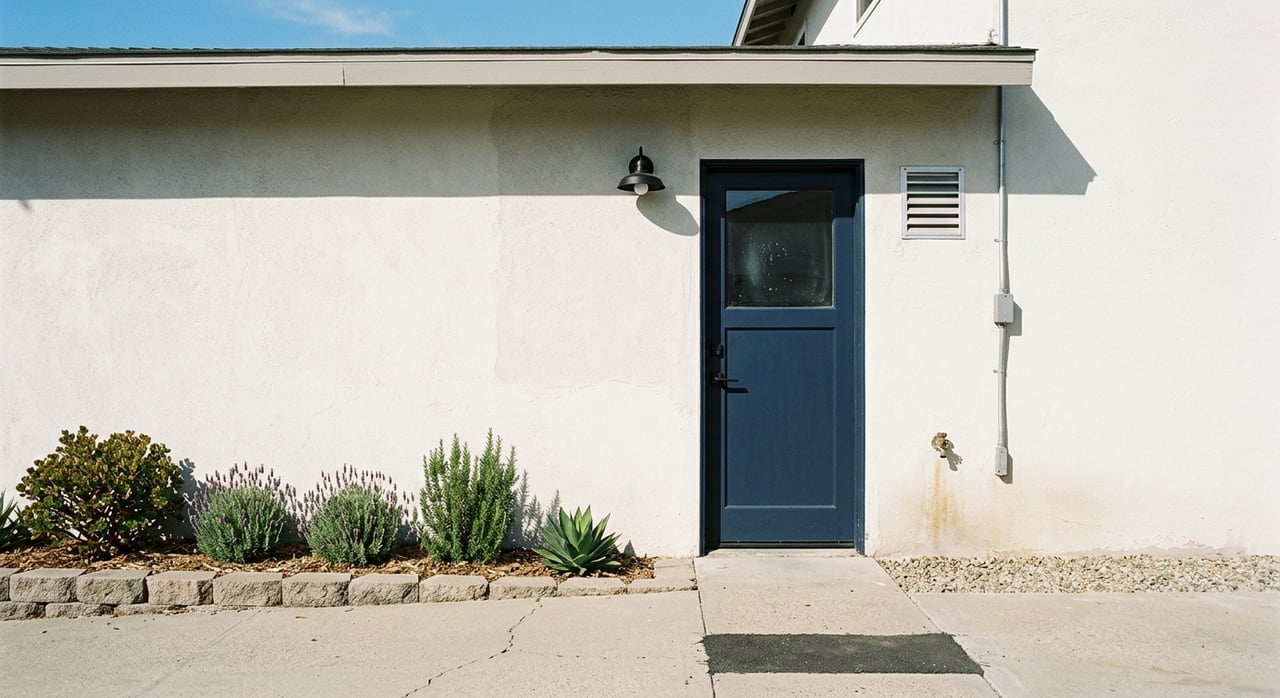
Thinking about buying a fixer-upper in Grover Beach? In a coastal market where competition can be strong and homes may sell close to asking price, a project house can look like a smart way to create value. The key is knowing how to weigh repair scope, permit rules, financing, and resale potential before you write an offer. If you go in with a clear plan, you can make a more confident decision. Let’s dive in.
Why fixer-uppers appeal in Grover Beach
Grover Beach remains a competitive market. In May 2026, the median sale price was reported at $836,999, with a median 38 days on market and a 100.3% sale-to-list ratio. That tells you buyers are still active, and many homes may draw strong interest.
For you, that means a fixer-upper is not automatically a bargain just because it needs work. You need to evaluate the full cost of ownership, including repairs, design fees, permits, and the time it may take to complete the project. In a market like this, an underestimated rehab budget can become expensive fast.
Define the repair scope early
One of the biggest mistakes fixer-upper buyers make is treating every renovation project the same. In reality, project scope matters just as much as purchase price. A home that needs paint, flooring, and fixtures is very different from one that needs electrical, roofing, or structural work.
Most fixer-upper projects in Grover Beach tend to fall into three broad categories:
- Cosmetic refreshes, such as paint, flooring, cabinets, and surface updates
- Systems and safety work, such as roofing, plumbing, electrical, HVAC, garages, fences, driveways, decks, patios, porches, and structural repairs
- Layout and livability upgrades, such as kitchen and bath remodels, additions, window upgrades, backup power, and energy or resiliency improvements
If the property has a clear, limited scope, it is usually easier to budget and move forward. If there may be hidden conditions behind walls, under floors, or in older systems, your risk goes up. That is why it helps to understand the likely work before you get emotionally attached to the house.
Check permits before assuming a remodel is simple
In California, permits are a core part of any serious fixer-upper plan. The Contractors State License Board notes that under the California Building Standards Code, no building or structure may be erected, altered, repaired, improved, removed, converted, or demolished unless a separate permit has first been obtained from the building official.
Grover Beach’s Building Division also states that permit applications submitted after January 1, 2026 must comply with the 2025 California Building Standards Code. For you, that means even a project that looks straightforward may need updated plans, code-compliant work, and review by the city.
Before you buy, it is smart to ask practical questions like:
- What work was previously done with permits?
- Are additions, conversions, or enclosed spaces legally documented?
- Will your planned updates trigger plan review or code upgrades?
- What is the likely timeline for approvals?
These questions can affect your budget, financing, and move-in timeline more than many buyers expect.
Understand coastal zone rules in Grover Beach
Coastal review is one of the most important local issues to understand. Grover Beach’s development code states that all properties within the coastal zone are subject to its coastal-development-permit section. Required coastal-development review must be obtained before grading, building, or other construction permits are issued.
The California Coastal Commission also says coastal development generally may not begin until a coastal development permit has been issued. Its definition of development is broad enough to include some non-construction changes in use intensity, which means you should not assume your project is exempt just because it seems minor.
This is especially important in Grover Beach because the city provides a coastal area and non-coastal area map, a flood zone map, and an interactive zoning map. A parcel-specific review can reveal whether your project path is likely to be simple, layered, or delayed.
Look closely at undocumented space
Undocumented square footage can be tempting in a fixer-upper. A bonus room, converted garage, or expanded living area may make a home feel like a great value at first glance. But if that space is not legally documented, it can create major issues later.
Grover Beach’s short-term-rental FAQ notes that owners can request the property’s street file and, if needed, the San Luis Obispo County Assessor’s residential building record to verify what is legally documented. That same city guidance warns that unpermitted additions or conversions discovered during review can trigger code enforcement, restoration, or even demolition.
For you, the takeaway is simple: do not base your purchase price or future plans on space that may not count legally. Verify first, then decide what the property is really worth to you.
Be careful with short-term rental assumptions
If part of your fixer-upper strategy includes future rental income, Grover Beach’s rules matter. According to the city, there are currently no non-owner-occupied short-term rental permits available. The city also states that permits are non-transferable when a home sells.
That makes it risky to buy a fixer-upper assuming you can use it as a non-owner-occupied vacation rental. It also makes undocumented additions or conversions even more problematic if your exit strategy depends on extra rental space or projected income. In this market, your numbers should work without relying on uncertain rental assumptions.
Build a realistic fixer-upper budget
A solid renovation budget should include more than contractor estimates. You also need to account for permit fees, design costs, and a contingency for hidden issues. These soft costs are not optional extras. They are part of the real project cost.
Fannie Mae notes that HomeStyle Renovation borrowers may draw up to 50% of project funds upfront for material costs, permits, or design fees. That is a helpful reminder that planning and approvals belong in your initial budget, not as an afterthought after closing.
A practical budget often includes:
- Purchase price
- Initial inspections and due diligence
- Repair and construction costs
- Permit and plan-check fees
- Design or drafting costs
- Contingency funds for hidden conditions
- Carrying costs if the home is not immediately livable
When you run these numbers early, you can compare the project to other move-in-ready options in Grover Beach and decide whether the value is truly there.
Know your renovation financing options
Some buyers pay cash for repairs, but many want financing that helps wrap the purchase and renovation into one plan. Two well-known renovation loan paths mentioned in the research are HUD’s Section 203(k) program and Fannie Mae’s HomeStyle Renovation mortgage.
HUD’s Section 203(k) program is HUD’s primary rehab program for one- to four-unit properties. The Standard 203(k) has no maximum repair amount but does require a $5,000 minimum. The Limited 203(k) allows up to $35,000 for minor, nonstructural repairs.
Fannie Mae’s HomeStyle Renovation mortgage combines the mortgage and renovation financing into one loan. It can be used for a wide range of upgrades, including kitchen and bath work, additions, windows, HVAC, backup power, and resiliency improvements. Fannie Mae also states that renovations must be permanently affixed to the property, comply with state and local laws and building codes, and be covered by hazard insurance at closing based on the completed value.
The right structure depends on your budget, scope, and timeline. This is one area where working with a local real estate professional who understands both property value and transaction logistics can make the process smoother.
Focus on resale-friendly improvements
Even if you plan to stay for years, it helps to think like a future buyer. In Grover Beach, resale appeal often comes from updates that make a home feel complete, practical, and easy to maintain. That usually matters more than highly customized finishes.
Spring 2026 local trend data highlighted features such as storage, fences, two bathrooms, decks, quartz counters, bathtubs, step-in showers, stainless-steel appliances, and offices among the features with high sale-to-list ratios. That suggests buyers respond well to improvements that support everyday livability.
If you are trying to decide where to spend, prioritize upgrades that improve function and broad appeal. A well-planned kitchen, a better bathroom layout, durable finishes, and useful storage often do more for long-term value than overbuilding for the neighborhood.
Think about long-term coastal resiliency
In a coastal community like Grover Beach, resiliency should be part of the value conversation. The California Coastal Commission says new development should be sited and designed to be safe from hazards and not require future protection over its lifespan. Its sea-level-rise guidance also points to retrofits, elevation, durable materials, and other adaptation strategies.
For you, that does not mean every fixer-upper needs a major resilience overhaul. It does mean you should consider how your improvements perform over time, especially if the property is in an area with coastal or flood-related concerns. Durable choices today may help protect both usability and value later.
A smart fixer-upper strategy starts with due diligence
Buying a fixer-upper in Grover Beach can be a strong move if you buy with clarity, not guesswork. The homes with the best potential are often the ones where the repair scope is understandable, the permit path is knowable, and the finished product will still make sense for the local market.
That is where local guidance matters. When you work with someone who understands coastal properties, Grover Beach permit considerations, and realistic resale expectations, you can make cleaner decisions from the start. If you are considering a value-add property on the Central Coast, Jan Sanderlin can help you weigh the opportunity, the risks, and the next steps with steady, hands-on support.
FAQs
What should you check before buying a fixer-upper in Grover Beach?
- You should review the repair scope, permit history, legally documented square footage, coastal zone status, likely permit requirements, and your full renovation budget before making an offer.
How competitive is the Grover Beach housing market for fixer-upper buyers?
- Grover Beach is a competitive market, with a reported May 2026 median sale price of $836,999, 38 median days on market, and a 100.3% sale-to-list ratio.
Do Grover Beach fixer-uppers usually need permits for renovation work?
- Yes. California permit rules generally require permits before a structure is altered, repaired, improved, converted, or demolished, and Grover Beach permit applications submitted after January 1, 2026 must comply with the 2025 California Building Standards Code.
Why does the coastal zone matter when buying a fixer-upper in Grover Beach?
- Properties in the coastal zone may require coastal-development review before grading, building, or other construction permits are issued, which can affect your timeline and project scope.
Can you buy a Grover Beach fixer-upper and use it as a short-term rental?
- You should be cautious. The city says there are currently no non-owner-occupied short-term rental permits available, and permits do not transfer when a property sells.
What renovation loans may help with a fixer-upper purchase in Grover Beach?
- Options mentioned in the research include HUD’s Section 203(k) program and Fannie Mae’s HomeStyle Renovation mortgage, both of which can help combine purchase and renovation costs under one financing plan.