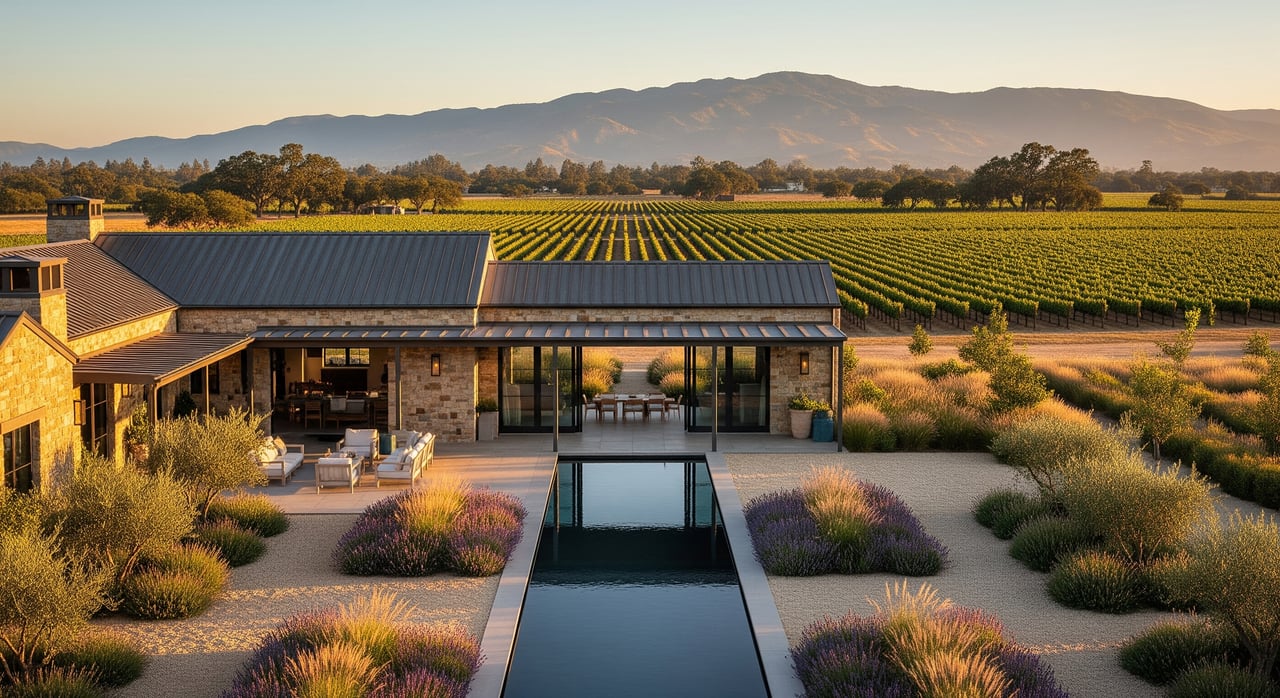
Are you drawn to the open views, vineyards, and slower pace around Los Alamos, but unsure what it means to live next to working farms? You’re not alone. Buying near agricultural land comes with unique rewards and responsibilities, and a few rules you should know before you commit. In this guide, you’ll learn what to expect day to day, how county and state regulations work, and the due diligence steps that protect your investment. Let’s dive in.
Why Los Alamos appeals
Los Alamos sits in northern Santa Barbara County along U.S. 101, surrounded by rural landscapes and active agriculture. You’ll find vineyards and wineries, vegetable and specialty crops, and some livestock operations in the area. The Mediterranean climate supports grapes and other crops, and wine tourism adds seasonal activity to local roads and tasting rooms.
If you enjoy scenic land, privacy, and a small-town vibe, this setting can be a great fit. Just make sure you understand how agriculture operates nearby so your expectations match everyday reality.
What to expect near working farms
Living next to active fields or ranches can feel different from a typical suburban neighborhood. You may experience:
- Noise from tractors, harvest equipment, irrigation pumps, and trucks, sometimes early or late during harvest.
- Odors tied to manure, composting, or processing activities in some seasons.
- Dust from field work, unpaved farm roads, and wind events.
- Spray drift risks during pesticide or fertilizer applications, managed under state and county rules.
- Traffic changes during harvest and wine tourism peaks.
- Occasional smoke from permitted pile or agricultural burning, which is regulated and often seasonal.
Visiting at different times of day and during different seasons is the best way to preview the rhythms you’ll live with.
The right-to-farm framework
California and Santa Barbara County support agriculture through right-to-farm policies. These policies protect ongoing, properly conducted agricultural operations from nuisance claims related to routine impacts like noise, odor, or dust. In practice, this means you may have limited options to challenge long-standing farm practices if they follow the rules.
What this means for you:
- Expect normal farm activity to continue even after you move in.
- Ask about the specific crops and schedules near the property.
- Plan landscape and outdoor living areas with this context in mind.
Zoning and the Williamson Act
Two items shape how land can be used near your home:
- Zoning and General Plan designation. Santa Barbara County Planning & Development can confirm your parcel’s zoning and land-use designation, any overlays, setbacks, and whether accessory units or new structures need special approvals.
- Williamson Act contracts. The California Land Conservation Act can reduce property taxes for land kept in agriculture. Parcels under contract have limits on non-agricultural development. Check if your property or neighbors are under contract and how that could affect future use or nearby development.
Understanding both will help you forecast what is likely to change around you over time, and what is likely to stay in agriculture for years.
Pesticides and application notifications
Pesticide use is regulated by the California Department of Pesticide Regulation and enforced locally by the Santa Barbara County Agricultural Commissioner. There are rules on application methods, buffer zones for certain uses, and drift reduction.
If you are concerned about timing or proximity:
- Ask the Agricultural Commissioner about local records and how to receive notifications for certain applications.
- Learn the typical spray windows for nearby crops and plan outdoor activities accordingly.
Water and wells: what to verify
Many rural properties in and around Los Alamos rely on private wells or small systems. Groundwater is managed under state law with local participation.
Before you buy, make sure you have:
- Well logs showing depth and production, plus recent water quality tests.
- Any shared well agreements and recorded easements.
- Clarity on local basin conditions and any restrictions on new wells or repairs.
A well inspection and lab testing for coliform, nitrates, and any other concerns you may have is a smart move during escrow.
Septic systems and permits
Most rural homes use on-site wastewater systems. Santa Barbara County Environmental Health oversees permits and system standards.
Key points for buyers:
- Ask for septic permits, as-built records, and service history.
- Understand capacity relative to bedroom count and any remodeling plans.
- Know that adding bedrooms or making certain changes can trigger a system evaluation or upgrade.
A certified septic inspection, including a tank and leach field evaluation, can prevent costly surprises later.
Fire risk and defensible space
Wildfire is part of the regional risk profile. Properties near open space or in wildland-urban interface areas may fall within mapped hazard zones.
When evaluating a home:
- Check its fire hazard classification and any brush-clearance duties.
- Confirm access for emergency response and water supply for firefighting where relevant.
- Ask your insurer about coverage, premiums, and any mitigation steps required for binding a policy.
Agricultural activity can reduce fuels in some places, but farm equipment and permitted burning can also be ignition sources. Plan defensible space and maintenance from day one.
Soils, drainage, and flooding
Soil types in the Los Alamos area vary and influence both septic suitability and drainage. Low-lying areas near agricultural drainage or irrigation return flows can see standing water during storms.
As part of due diligence:
- Review soils information for septic performance and foundation planning.
- Check FEMA flood maps for floodplain status and lender insurance requirements.
- Walk the site after rain if possible to see real drainage patterns.
Easements, setbacks, and access
Agricultural and rural parcels often carry recorded easements for access, irrigation, and utilities. These can shape where you place a home, fence, or accessory buildings.
Ask your agent and title company to:
- Pull a complete easement and rights-of-way report.
- Confirm all building setbacks and development standards for your zoning.
- Verify driveway, gate, and utility access before you close.
Property taxes, insurance, and income ideas
Taxes and coverage can work differently in rural settings:
- Property taxes. Agricultural use can affect assessments, and change of use can trigger reassessment. Williamson Act status carries specific tax implications and limits on use.
- Insurance. Wildfire exposure, rural location, and proximity to agricultural activity can influence availability and price. Some policies exclude certain types of damage. Get quotes early based on the actual address and risk profile.
- Income potential. Some buyers lease pasture or small plots for specialty crops, but feasibility depends on zoning, water access, and any contracts or easements. Conservation easements can offer incentives but also long-term restrictions.
Your Los Alamos due diligence checklist
Use this list to structure your escrow and investigations:
- Confirm parcel zoning, General Plan designation, and any overlays with County Planning & Development.
- Check Williamson Act contracts, conservation easements, or agricultural easements on the property and nearby parcels.
- Request recent agricultural use history on adjacent parcels, including crop types and harvest periods.
- Contact the Agricultural Commissioner for pesticide application records and notification options.
- Obtain well logs, production data, and complete water quality tests; review any shared water agreements.
- Order a septic inspection, gather permits and service records, and confirm system capacity.
- Review CAL FIRE and county fire resources for hazard classification and defensible-space requirements.
- Check FEMA flood maps and any county drainage information.
- Order a title report and map all recorded easements and rights-of-way.
- Visit the property at different times, and talk with neighbors about seasonal patterns.
- Get insurance quotes before the end of inspection periods, including wildfire coverage details.
Suggested specialists to engage:
- Certified septic inspector and percolation testing as needed.
- Well contractor and water-quality lab testing.
- Environmental consultant if the property adjoins processing, fuel, or chemical storage sites.
- Soil testing if you suspect historic intensive pesticide use nearby.
- Fire-risk consultant or arborist for defensible-space planning.
Smart site visits and neighbor outreach
Walk the area early morning, late evening, and on weekends to understand equipment hours, road use, and seasonal traffic. If harvest is approaching, ask when activities will peak. Introduce yourself to nearby growers or ranchers and ask about typical schedules, wind patterns, and any community notification practices. This helps you plan fencing, garden placement, outdoor seating, and pets with the local rhythms in mind.
How a local broker helps you buy with confidence
Buying near ag land takes extra coordination, but it does not need to be stressful. An experienced, local broker can sequence inspections, organize county records, and connect you with trusted inspectors. With owner-led representation and steady transaction management, you can move forward with clear expectations and fewer surprises.
If you’re considering a home near farmland in Los Alamos, let’s talk through your goals, timing, and comfort level with rural living. Reach out to Jan Sanderlin to start a focused plan for due diligence, inspections, and a smooth path to closing.
FAQs
What does right-to-farm mean for Los Alamos homebuyers?
- It protects properly conducted farm operations from nuisance claims over routine noise, odors, dust, and similar impacts, so expect normal farm activity to continue.
How do I check if a nearby parcel is under the Williamson Act?
- Ask your agent and title team to review county records and the California Department of Conservation resources to confirm any active contracts and related limits.
Are private wells common near Los Alamos and are they reliable?
- Many rural properties rely on wells; reliability depends on local conditions. Always review well logs and test water quality during escrow.
Can pesticide spraying affect my yard or outdoor plans?
- Drift is possible, with state and county rules managing applications. Contact the Agricultural Commissioner for records and learn how to receive notifications.
Will wildfire risk affect my homeowners insurance near farmland?
- It can. Get quotes early based on the address, verify wildfire coverage, and ask about any mitigation steps needed to bind a policy.