Looking for a home that feels easy from the moment you walk in? In Montecito, single-level living can offer that rare mix of comfort, flow, and long-term practicality. If you are drawn to homes that connect beautifully to gardens, courtyards, and patios while supporting simpler day-to-day living, this style is worth a closer look. Let’s dive in.
Why Single-Level Living Fits Montecito
Montecito is shaped by a very specific physical setting. County planning documents describe it as an unincorporated area between the Pacific Ocean and the Santa Ynez Mountains, with a flatter older residential area and newer development on lower south-facing slopes. That landscape helps explain why one-level homes often feel so natural here.
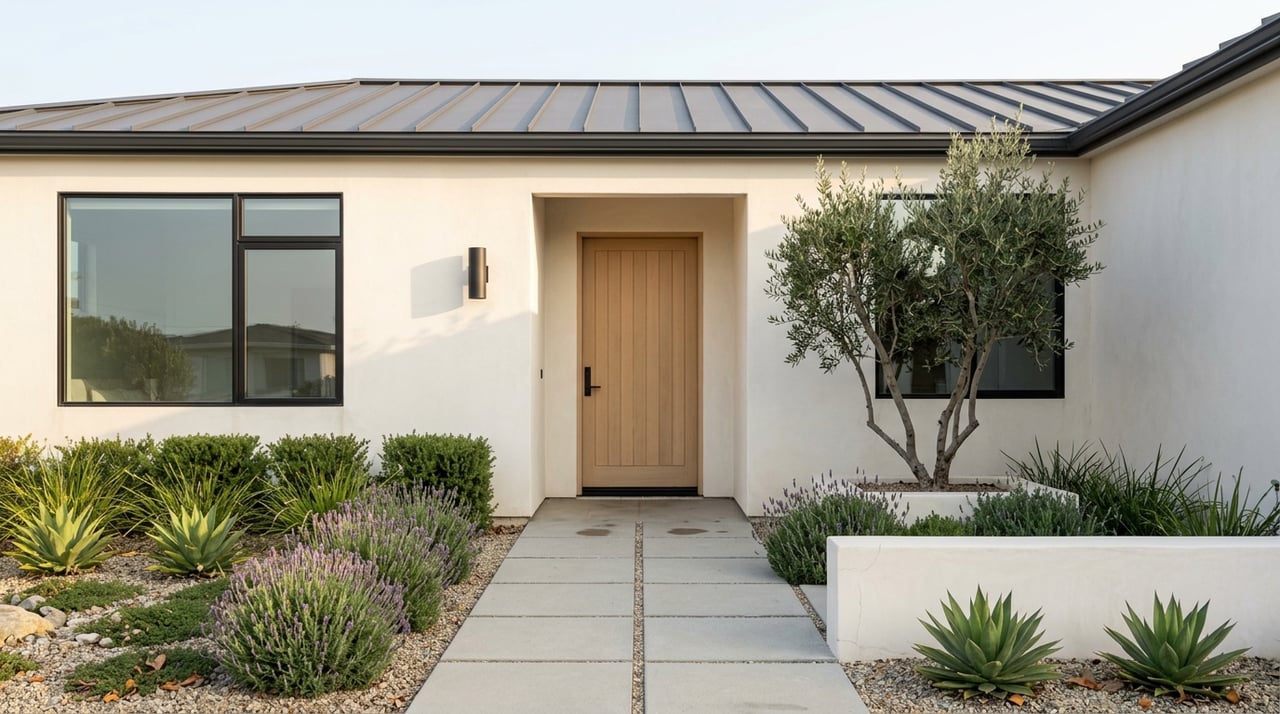
The community is also known for its low-intensity, semi-rural residential character, large lots, mature landscaping, cottages, and historic estates. In that setting, a lower-profile home can feel especially aligned with the land. A single-level layout often supports that visual balance without adding extra height or bulk.
That does not mean every Montecito property is equally suited to a one-story design. Flatter parcels and homes in the older residential core are often the most intuitive fit, while hillside properties usually require closer attention to grading, privacy, visibility, and view-related design concerns. In Montecito, the best match is often about how the home sits on the site.
Everyday Comfort on One Level
For many buyers, the appeal starts with daily ease. A home without interior stairs can make your routine feel simpler, whether you are carrying groceries, hosting guests, or moving between indoor and outdoor spaces throughout the day. That kind of convenience is easy to appreciate now and later.
Single-level living can also support aging in place. AARP notes that one-story living, no-step entries, wide doorways, and wide hallways are common features associated with comfort, safety, and independence over time. If you are planning ahead, these design choices can make a meaningful difference.
Just as important, one-level homes often create a calmer rhythm. When your main living spaces, bedrooms, and outdoor areas are all connected on one floor, the house can feel more intuitive to navigate. That simplicity is part of what makes this style so enduring.
Montecito Design Favors Low-Profile Homes
Montecito’s architectural guidelines place strong emphasis on keeping the natural landscape as the dominant visual feature. They also call for privacy between adjoining properties, screening of structures and parking where feasible, and landscaping that supports the area’s oak woodland and ornamental urban forest character. In practical terms, the site is meant to lead, not the structure.
That is one reason single-level homes stand out in Montecito. A lower-profile residence can support indoor-outdoor living while staying visually subordinate to gardens and mature planting. When done well, the home feels integrated with the property rather than imposed on it.
This matters if you are buying with future updates in mind. Montecito’s local review standards focus on neighborhood compatibility, size, mass, scale, height, privacy, view protection, grading, landscaping, screening, and lighting. In many cases, restrained design moves tend to fit more naturally with that framework than tall or highly exposed additions.
Outdoor Living Is Part of the Experience
In Montecito, outdoor living is not just an extra feature. It is part of how many homes are composed and experienced. The local design guidelines emphasize landscape, screening, and privacy, which makes the relationship between house and garden especially important.
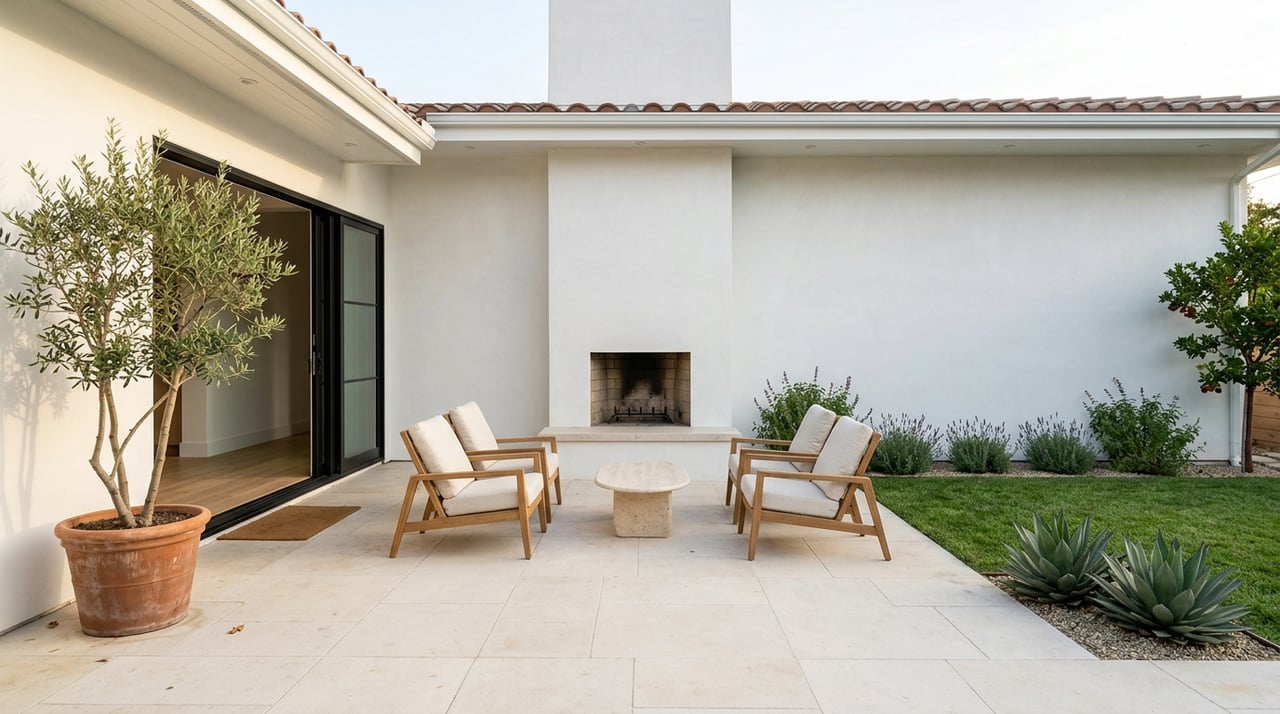
A strong single-level home often takes advantage of that with direct access to courtyards, terraces, patios, or lawns. Instead of splitting living across multiple floors, the layout can open outward in a more natural way. That can make entertaining, relaxing, and everyday movement feel seamless.
For buyers who value comfort over complication, this is often a major advantage. You may not need dramatic height to create a memorable home. In Montecito, a thoughtful connection to the outdoors can be just as compelling.
Parcels That May Be the Best Fit
Not every property will offer the same path to easy single-level living. Based on Montecito’s planning context, flatter older residential areas and lower-elevation parcels often make the most natural match. These sites may allow a home to spread more comfortably across the lot while maintaining a lower profile.
By contrast, hillside locations often come with more design variables. Grading, visibility, privacy, and view protection may all play a larger role in what is feasible and what feels appropriate. That does not rule out a great result, but it usually means the site deserves a more careful review.
If you are shopping in Montecito, it helps to look beyond square footage alone. The real question is how the home, lot, and landscape work together. That bigger-picture view can help you identify properties that truly support the lifestyle you want.
Smart Remodel Ideas for Daily Ease
If you already own in Montecito or are considering a property with renovation potential, the most effective updates are often the ones that improve life on the main floor. That can mean reworking the layout for better flow, creating stronger patio or courtyard access, or adding a primary suite on the main level. These changes often support comfort without pushing the home out of character with its setting.
Local guidelines also suggest that restraint matters. Exterior changes are reviewed with attention to mass, scale, height, privacy, and view protection, and historic structures are expected to preserve original character where possible. In Montecito, thoughtful editing can be more effective than overbuilding.
A few practical remodel priorities may include:
- Creating a no-step main entry where feasible
- Widening key circulation paths such as hallways and doorways
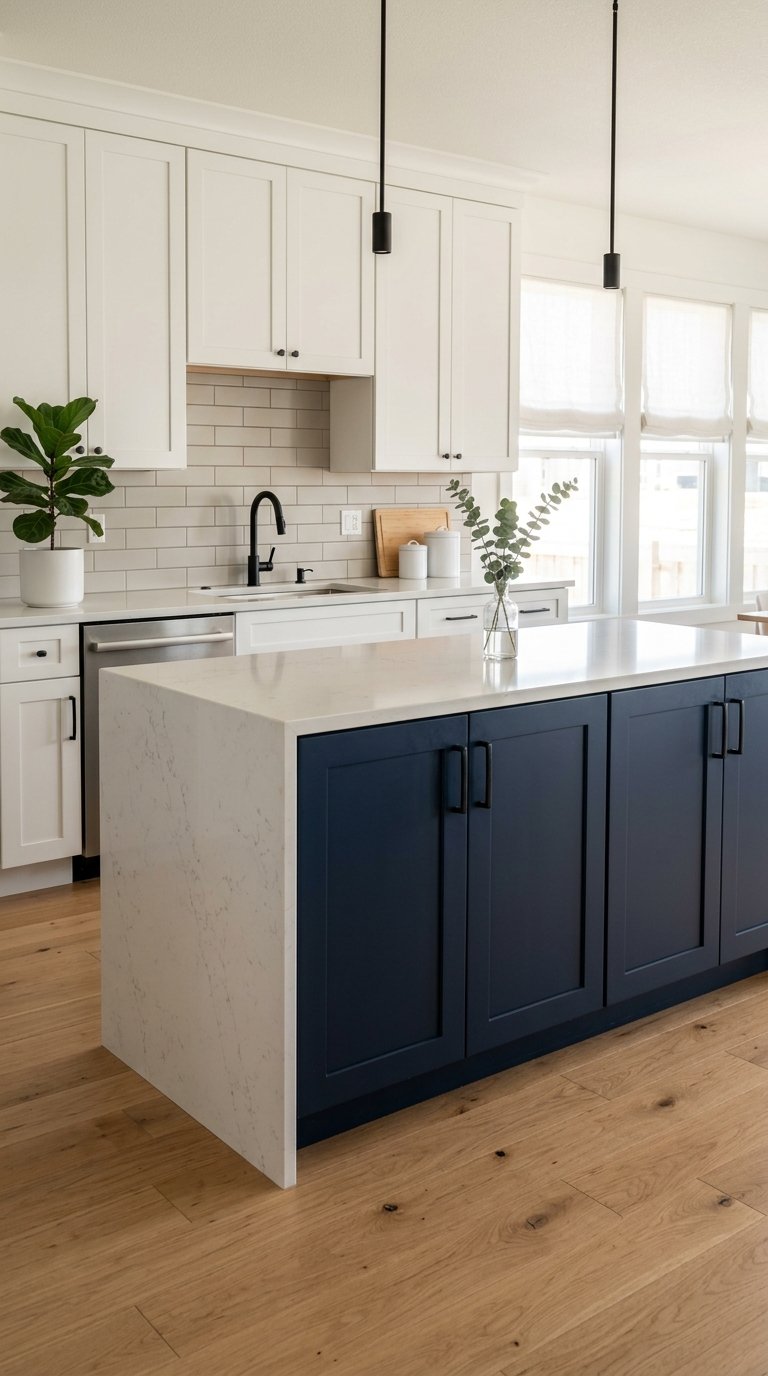
- Improving the connection between kitchen, living areas, and outdoor space
- Keeping additions low-profile and carefully sited
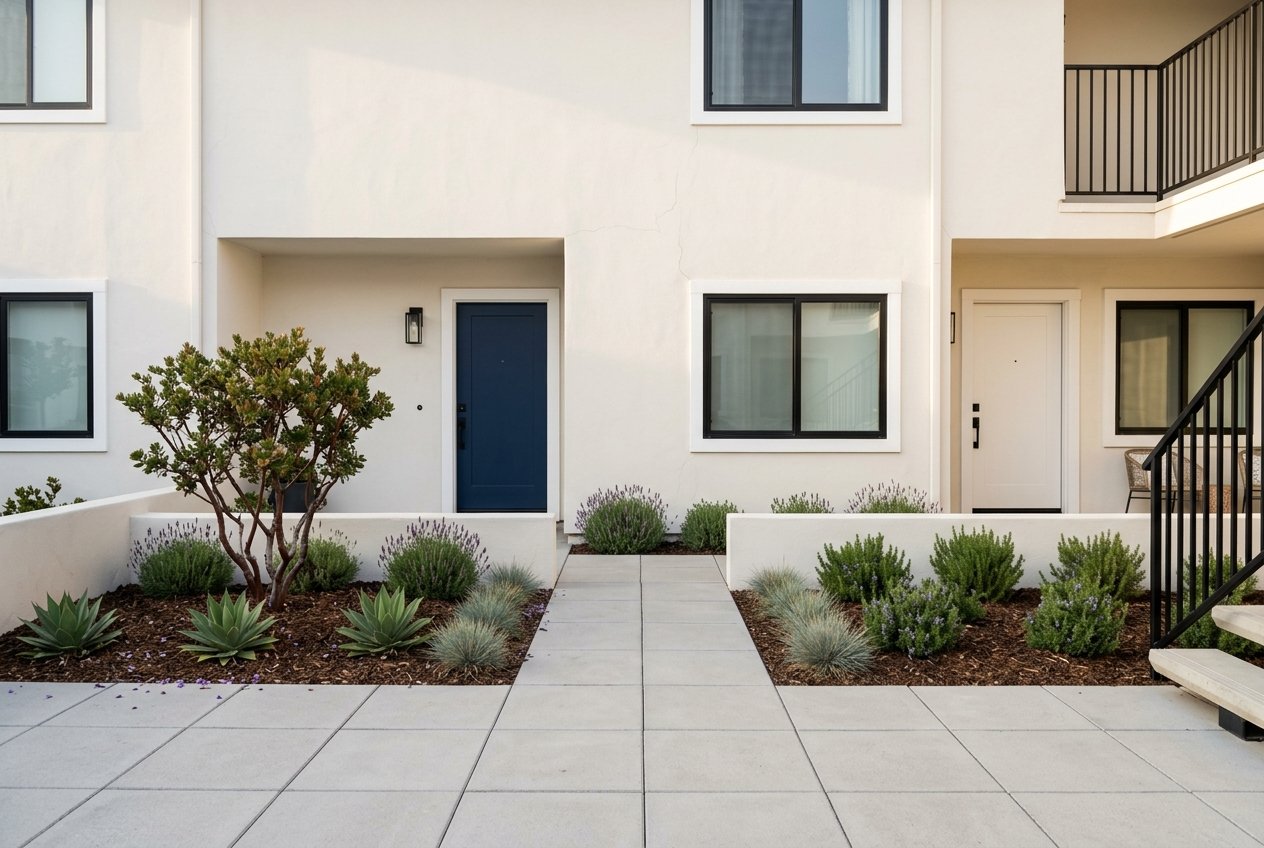
- Using landscaping and screening to reinforce privacy
- Planning exterior lighting with neighborhood compatibility in mind
When a remodel works well here, it usually feels quiet, intentional, and well rooted in the site.
Comfort Should Include Resilience
In Montecito, comfort is not only about floor plan. It also includes how a home responds to local conditions. Montecito Fire Department identifies the community as Firewise and offers defensible-space surveys, along with recommendations such as ember-resistant treatment in the first five feet around a home, home-hardening upgrades, vent retrofits, and vegetation management support like neighborhood chipping.
Flood and debris-flow awareness also matter. Santa Barbara County Flood Control notes that Montecito has experienced flooding and debris-flow damage and is studying mitigation options for several local creeks, including Montecito Creek, Oak Creek, San Ysidro Creek, and Romero Creek. If you are evaluating a home for long-term comfort, resilience should be part of your thinking from the start.
For many buyers, this makes single-level living even more appealing when paired with practical upgrades. A home can be easy to live in and thoughtfully prepared for local realities. In Montecito, those two goals often belong in the same conversation.
What Buyers Should Notice During a Tour
When you walk through a Montecito single-level home, try to focus on how it lives rather than just how it looks. Notice whether the layout supports easy movement from room to room and out to the main outdoor spaces. Pay attention to privacy, natural light, and how landscaping shapes the feel of the property.
It is also worth looking at the site itself. Is the home comfortably placed on the lot? Does the yard feel usable and connected? Does the house maintain a low, composed presence within the landscape?
If updates may be needed, consider whether changes could improve comfort without creating unnecessary visual bulk. In Montecito, the most successful homes often balance ease, restraint, and a strong sense of place.
If you are exploring Montecito single-level living, it helps to have clear local guidance on what fits the property, the setting, and your long-term goals. That is where thoughtful representation matters. When you are ready to talk through the options, connect with Jan Sanderlin for personalized guidance and concierge-level support.
FAQs
What makes a Montecito property a good fit for single-level living?
- Flatter parcels, especially in older residential areas and lower-elevation locations, often align most naturally with one-level living because they can better support low-profile design and easier indoor-outdoor flow.
What design issues matter most for Montecito home remodels?
- Montecito guidelines repeatedly focus on mass, scale, height, privacy, view protection, grading, landscaping, screening, and lighting, so those factors are important when considering exterior changes.
What are common comfort features in a single-level home?
- Common features include one-story day-to-day living, no-step entries, wider doorways, and wider hallways, all of which can support easier movement and long-term comfort.
Why is outdoor space so important in Montecito homes?
- Montecito’s design guidance emphasizes landscape as a dominant visual feature, so homes that connect well to gardens, courtyards, terraces, and patios often feel especially consistent with the local setting.
What resilience features should Montecito buyers consider?
- Buyers should pay attention to defensible space, ember-resistant treatments near the home, home-hardening upgrades, vegetation management, and awareness of flood and debris-flow conditions in the area.